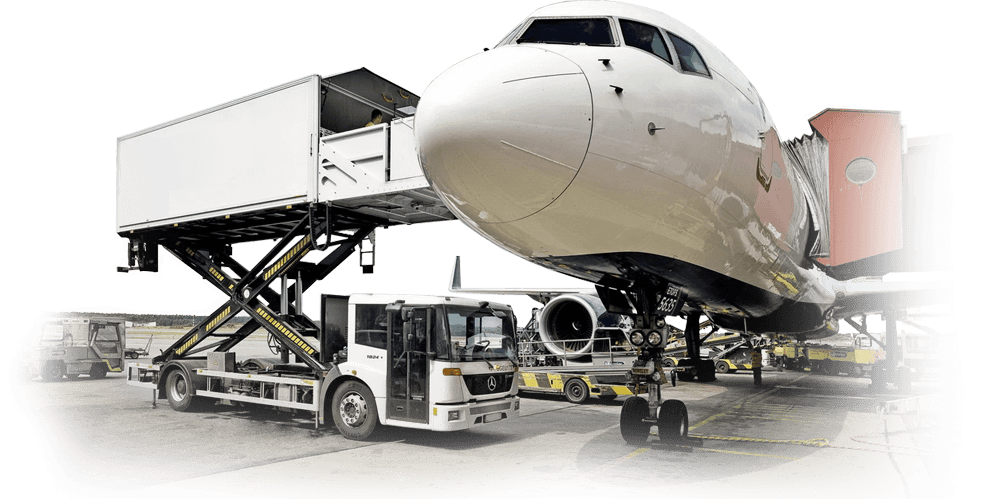
Aeronautical Engineering: A Guide to the Science of Flight
Aeronautical Engineering is the study, design, and manufacture of flight-capable machines, as well as the techniques used in operating aircraft. Aeronautical engineers play a crucial role in researching, designing, and producing aircraft, spacecraft, aerospace equipment, satellites, and missiles. This field is divided into two primary areas of specialization:

1. Airframes and Engines
Aircraft MechanicsAircraft mechanics is the foundation for obtaining a Diploma in Aeronautical Engineering (Airframes and Engines Option). This module equips trainees with the knowledge, skills, and attitude necessary to perform aircraft line maintenance and support ground equipment.
Key areas of study include:
- Information Communication Technology (ICT)
- Entrepreneurship
- Mathematics & Engineering Sciences
- Airfield and Safety Procedures
- Aircraft Systems
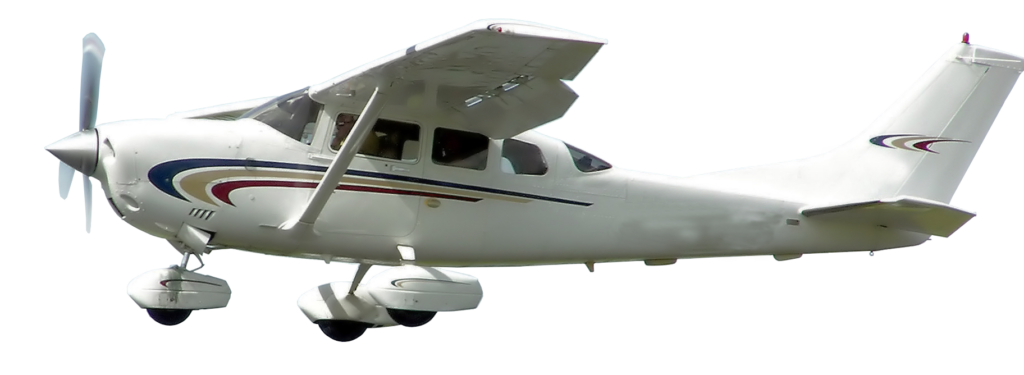

Gas Turbine Engines is a vital study topic for diploma and degree students specializing in Airframes and Engines. This unit provides knowledge and practical skills necessary for maintaining airframes, power plants, and related support ground equipment.
Topics covered & Key areas of study include:
- Mathematics & Thermodynamics
- Industrial Organization
- Fluid Mechanics
- Airframes Technology
- Gas Turbine Engines & Flight Mechanics
- Airfield & Safety Procedures
- Trade Project Requirement
Graduates specializing in Airframes and Engines can find employment as Aeronautical Engineers (Engine and Airframes Technicians) in the aviation industry.
by KAC MARKETING
General Learning Objectives
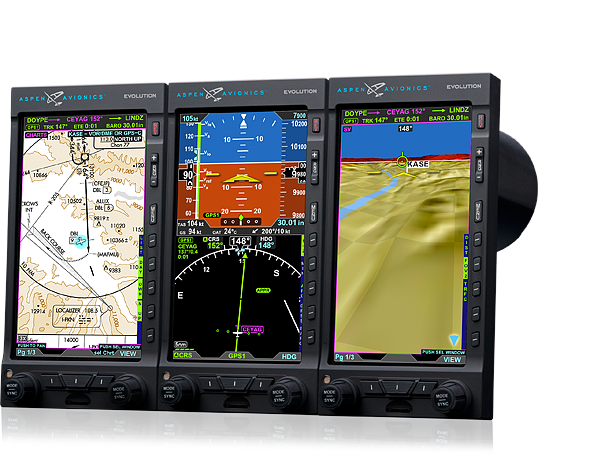
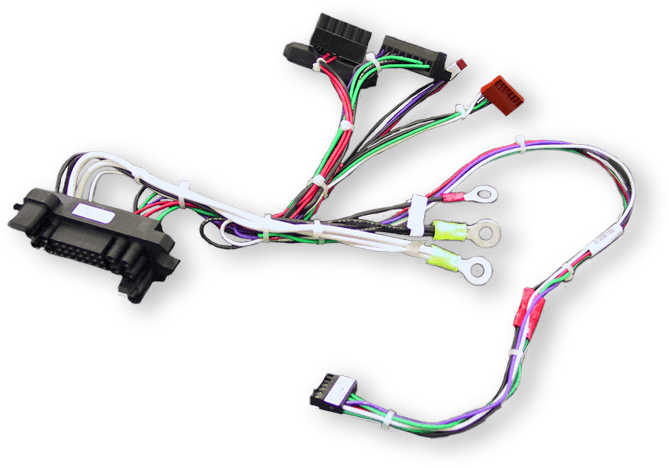
2. Avionics
- Develop effective communication skills in the workplace
- Demonstrate entrepreneurial behavior
- Understand principles of flight
- Apply general safety and maintenance procedures
- Perform line maintenance work on aircraft
Key Modules in Avionics
Data and Computer Networks
This module equips trainees with skills in designing, installing, testing, and maintaining aircraft data and computer networks.
- Understanding data and computer networks
- Appreciating error detection and control in data transmission
- Understanding multiplexing, encoding schemes, and switching techniques
- Analyzing different types of computer networks
- Exploring data compression and multimedia applications