

Aircraft Maintenance Engineering (AMEL)
Summary of Professional Courses in Aircraft Maintenance Engineering
Call for Enroll Or Enquiry
(+254)708374257 / (+254)799166798
Overview
The Aircraft Maintenance Engineers Licence (AMEL) program, conducted by Aircraft Maintenance College 66 (AMC66) in the Netherlands in partnership with Kenya Aeronautical College, offers training leading to a European Aviation Safety Agency (EASA) Part-66 license. This licensing certifies engineers to maintain and ensure the airworthiness of aircraft.
Course Highlights
Here is the short description of what the course entails

Location & Certification
Training in the Netherlands (AMC66) and Africa (Kenya Aeronautical College). EASA Part-147 certified training center with examinations offered in Africa.

Engineer Responsibilities
Maintain and certify aircraft. Ensure passenger safety and compliance with aviation standards. Specialize in specific categories of maintenance (e.g., airframe, avionics).
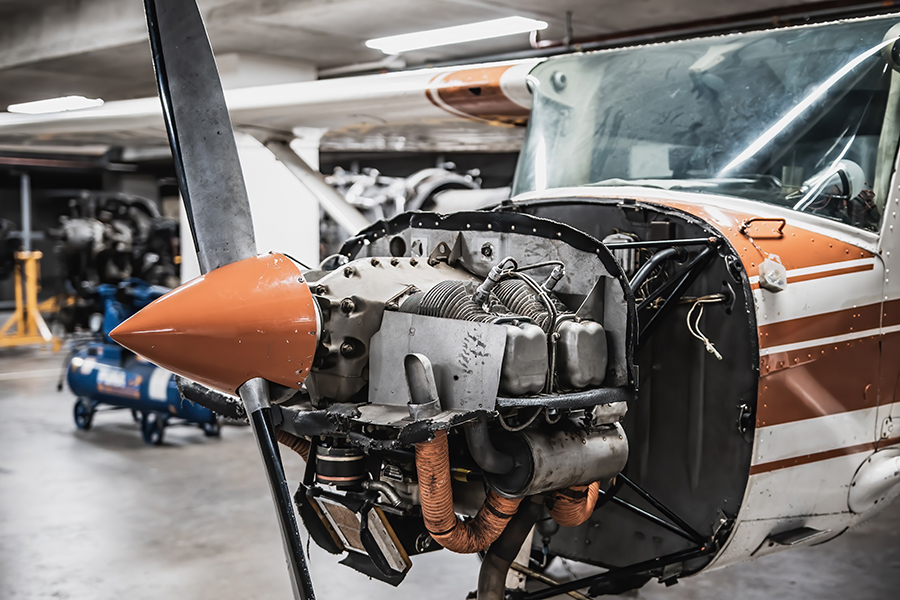
EASA Part-66 Licensing Categories A&C
Category A: Certifies limited and simple maintenance tasks; can only certify their own work.
Category C: Certifies base maintenance activities and complex group releases.

EASA Part-66 Licensing Categories B1/B2
Category B1: Covers airframe, engines, and electrical systems; includes Category A privileges.
Category B2: Focuses on avionics and electrical systems.
Category B3: Piston-engine, non-pressurized aircraft below 2,000 kg MTOM.

Disciplines Covered
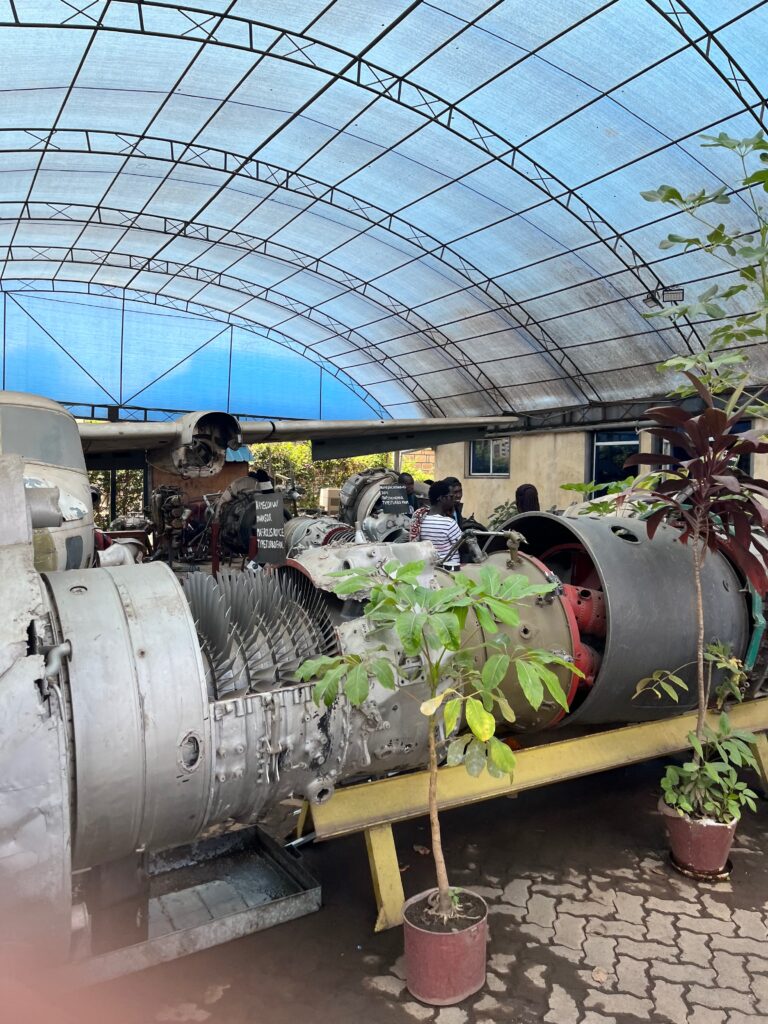
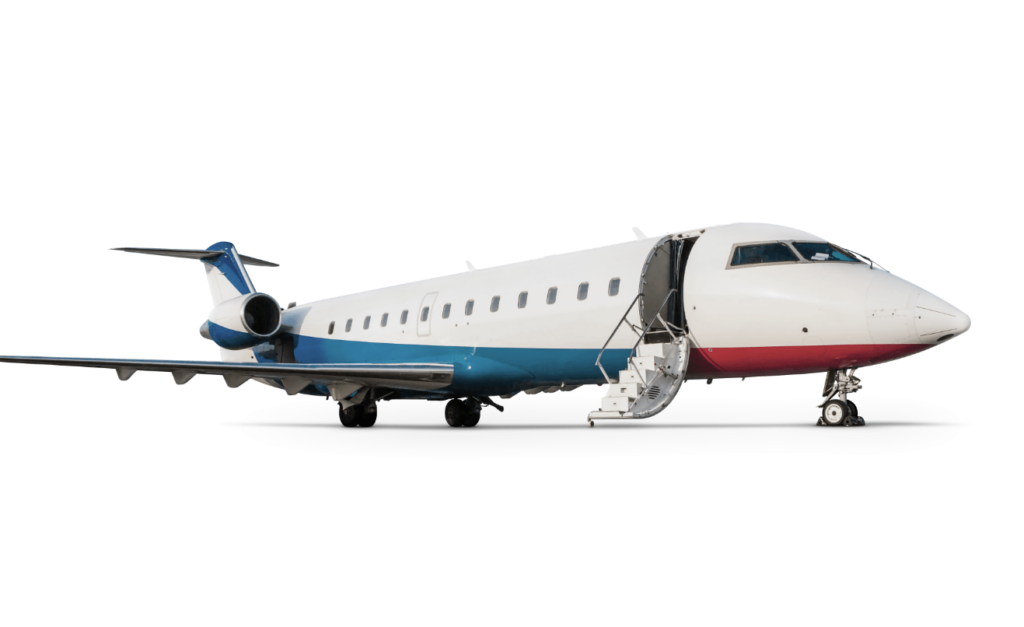
Fixed-wing aircraft (turbine and piston engines).
Rotary-wing aircraft (helicopters with turbine and piston engines).
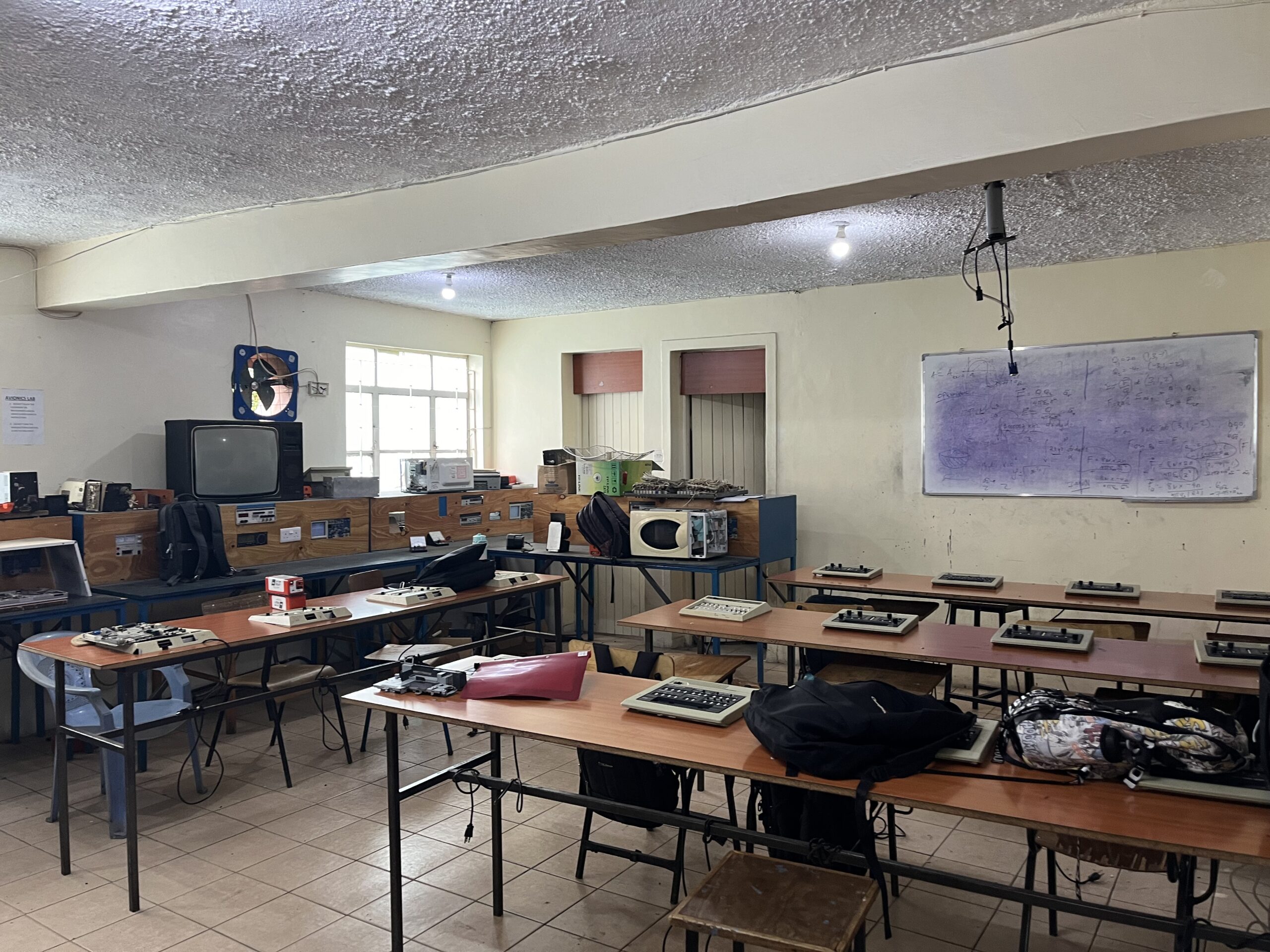
Avionics systems (e.g., navigation, communication, radar).
Modules Covered
Key modules include Mathematics, Physics, Electrical and Electronic Fundamentals, Human Factors, Basic Aerodynamics, Aviation Legislation, Aircraft Systems, Engines (Gas Turbine and Piston), and Maintenance Practices.
Training Requirements
– On-the-Job Training (OJT) ensures practical skill acquisition.
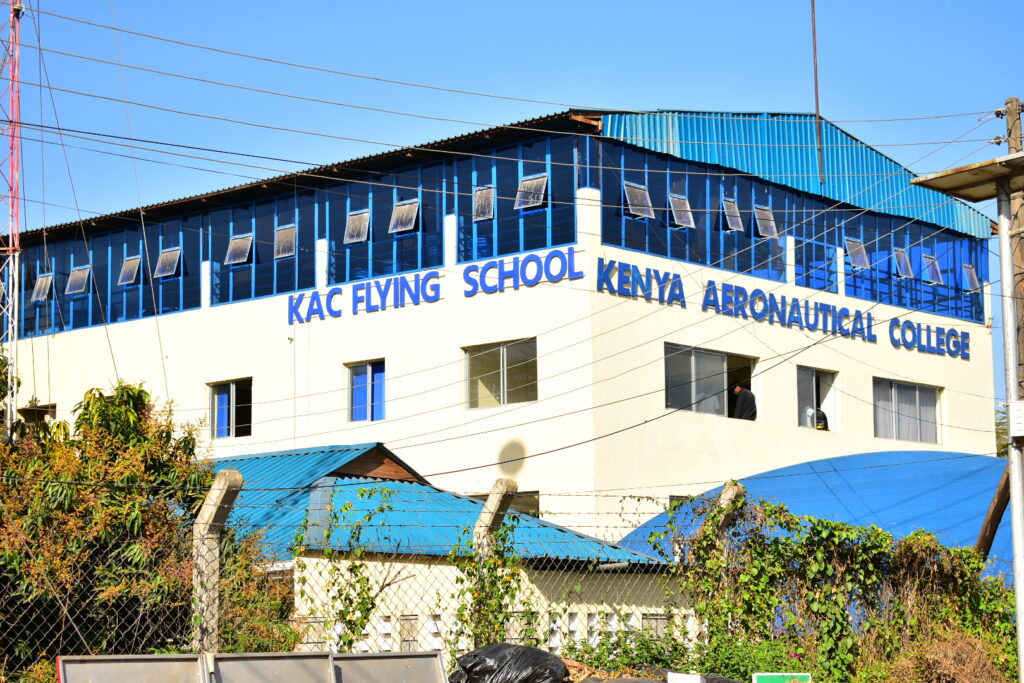
– Classes and exams conducted at Kenya Aeronautical College, Wilson Airport, Nairobi.
Benefits
benefit 1
Access to EASA-approved training and certifications.
benefit 2
Opportunity for hands-on learning and certification.
benefit 3
Career prospects in a highly regulated and respected global industry.
Conclusion
This program equips candidates to pursue a fulfilling career in aircraft maintenance and engineering, with a focus on safety, precision, and technical excellence.